
Comprehensive Guide to Telescopic Scaffolding for Industrial Use | Formwork Reinforced
Telescopic Scaffolding is a key solution in the industry, specifically within construction and maintenance sectors. This article explores how https://www.formworkreinforced.com supports professionals with durable, high-performance products, and explains why this product is an ideal choice for businesses in these sectors.
Table of Contents
- Telescopic Scaffolding Overview
- Benefits & Use Cases of Telescopic Scaffolding
- Cost, Maintenance & User Experience
- Sustainability & Market Trends
Telescopic Scaffolding Overview
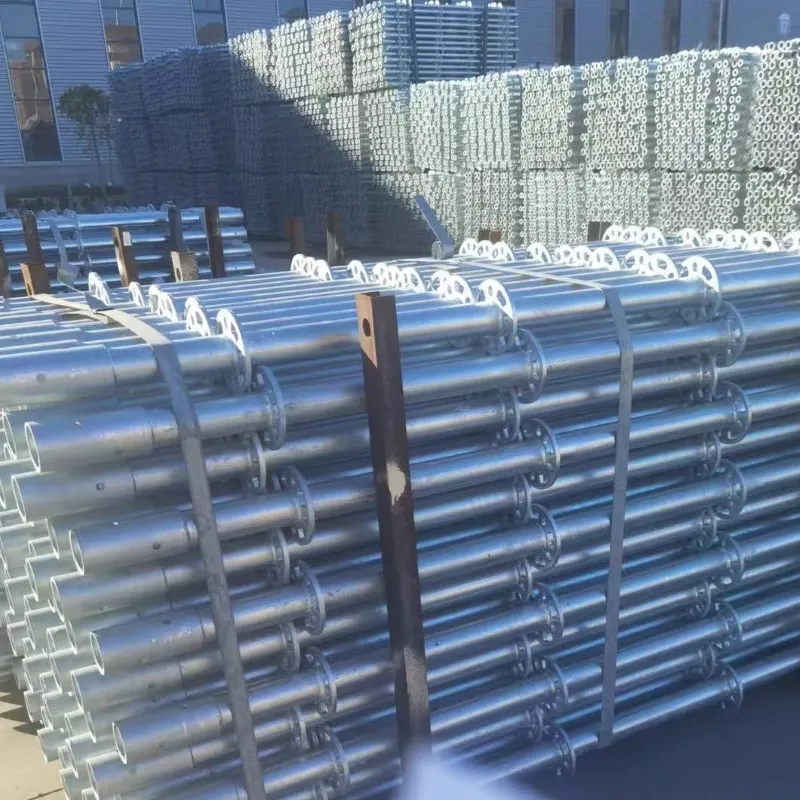
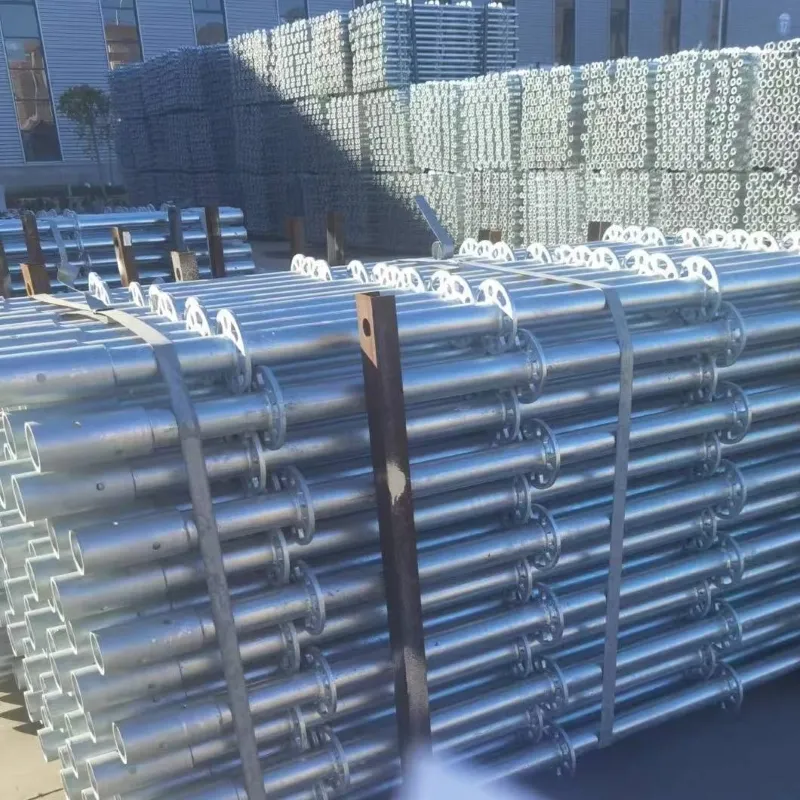
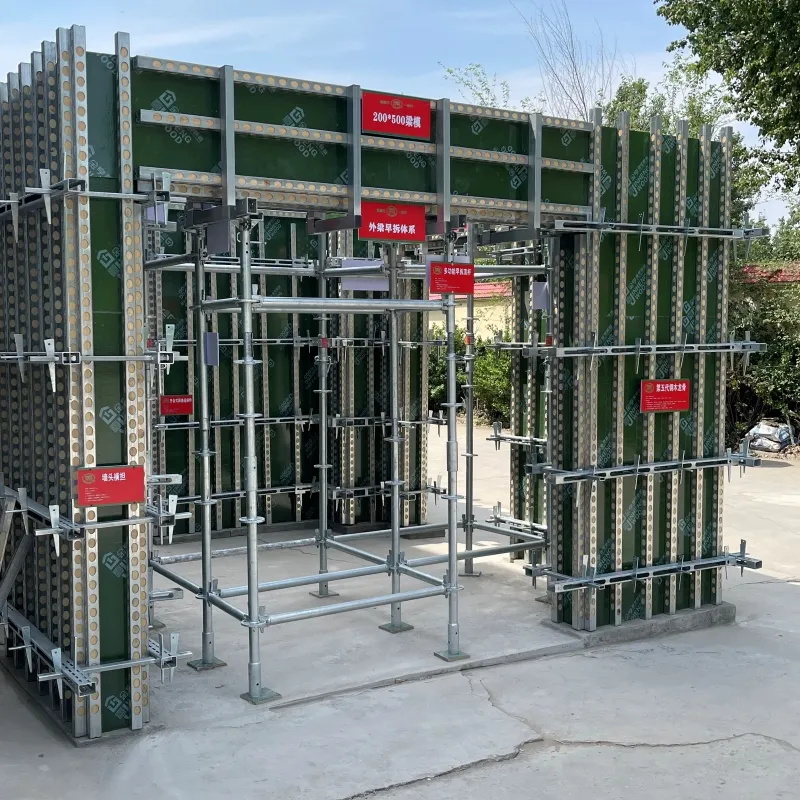
Telescopic scaffolding, for those not very familiar, is essentially an adjustable scaffold system that can be extended or retracted vertically, providing versatile access at different heights without needing a lot of space to store or install. Frankly, it feels like the smarter, more modern cousin of traditional scaffolding, especially when working in tight urban sites or on complex facades.
- These scaffolds are typically made from lightweight yet strong aluminum or steel, giving them a reliable load capacity while still being portable.
- A practical example from one of our clients showed telescope adjustment reducing setup time by almost 40% on high-rise repair jobs.
| Specification | Details |
|---|---|
| Material | Aluminum Alloy / Steel |
| Height Range | 1.0 m to 5.5 m adjustable |
| Load Capacity | Up to 250 kg / platform |
| Weight (approx.) | 22 - 30 kg per unit |
| Certifications | ISO 9001, CE Certified |
Benefits & Use Cases of Telescopic Scaffolding
You might wonder why so many industrial firms are choosing telescopic scaffolding these days. Well, it’s not just the adjustability—it’s about efficiency and safety combined. Whether it’s for building maintenance, industrial painting, or inspection tasks, this scaffolding fits like a glove.
- Compact design allows quick transport and ease of setup, which is crucial in tight or time-sensitive projects.
- Robust locking systems ensure worker safety without sacrificing flexibility – a feature many professionals appreciate.
- Compared to conventional scaffolds, it vastly reduces labor costs and setup errors, a competitive advantage that translates into better ROI.
Cost, Maintenance & User Experience
It’s easy to think telescopic scaffolding might lean expensive – I know I initially did – but in real terms, it’s pretty cost-effective when you factor in durability and reduced labor. The lightweight aluminum variants resist rust and require minimal maintenance, which means less downtime and lower long-term expense.
- Total cost of ownership gets lower over time, particularly thanks to modularity and easy replacement parts.
- Customer feedback collected from industrial painters and bridge maintenance crews praise its maneuverability and the comfort of anti-slip platforms.
| Vendor | Material | Average Cost (USD) | Warranty | Customer Rating |
|---|---|---|---|---|
| Formwork Reinforced | Aluminum | $900 – $1,200 | 5 years | 4.7/5 |
| Vendor B | Steel | $850 – $1,100 | 3 years | 4.3/5 |
| Vendor C | Aluminum | $950 – $1,300 | 4 years | 4.5/5 |
Sustainability & Market Trends
Now, here’s something that often gets overlooked: sustainability. Telescopic scaffolding’s lightweight aluminum reduces material waste, and many manufacturers—including https://www.formworkreinforced.com—commit to eco-friendly production methods. Regulations increasingly push industrial suppliers to adopt greener solutions, and this product fits that narrative well.
- The global scaffolding market is projected to keep growing, partly driven by urbanization in emerging markets and the demand for more efficient construction tools.
Frequently Asked Questions about Telescopic Scaffolding
- What is Telescopic Scaffolding and how does it work?
- Telescopic scaffolding consists of adjustable tubular components that slide to extend or retract, allowing height adaptation on the fly. It’s secured by locking pins, which hold the sections steady under load.
- What are the main benefits of using Telescopic Scaffolding in industrial applications?
- Key benefits include faster setup times, reduced transportation costs, enhanced safety features, and flexibility to adapt to irregular job sites.
- How does Telescopic Scaffolding compare to traditional alternatives?
- Compared to fixed or sectional scaffolds, telescopic types are more compact, quicker to adjust, and generally lighter, improving worker efficiency and site safety.
- What industries can benefit most from Telescopic Scaffolding implementation?
- Construction, industrial maintenance, shipbuilding, and even event staging sectors find telescopic scaffolding invaluable due to its adaptability and transport ease.
Conclusion on Telescopic Scaffolding from china
To wrap it up, telescopic scaffolding really earns its place as a staple tool for modern industries. Its blend of flexibility, safety, and cost-effectiveness is hard to beat. Plus, suppliers like the team behind Formwork Reinforced back that up with quality assurance and solid warranties. For businesses aiming to boost efficiency while maintaining high safety standards, it’s worth giving this solution a serious look.
- Recap the value of Telescopic Scaffolding.
- - Visit our website: https://www.formworkreinforced.com
-
Comprehensive Guide to Scaffolding Rods for Safe Construction PracticesNewsFeb.24,2026
-
Comprehensive Guide to Different Types of Scaffolding for Construction ProjectsNewsFeb.11,2026
-
The Crucial Role and Safe Use of Scaffolding in Modern Construction ProjectsNewsJan.30,2026
-
Maximize Productivity and Safety with a Versatile 7m Scaffold TowerNewsJan.27,2026
-
6m Scaffold Tower: A Comprehensive Guide for B2B BuyersNewsJan.26,2026
-
6ft Scaffold: Durability and Safety in ConstructionNewsJan.25,2026
-
6 Scaffolding: A Modern Construction SolutionNewsJan.24,2026