
Comprehensive Guide to Slab for 2nd Floor Construction and Design
Understanding the Slab for 2nd Floor: More Than Just Concrete
If you’re in construction, architecture, or just fascinated by how buildings rise skyward, you’ve probably encountered the phrase slab for 2nd floor. At first glance, it sounds straightforward — a horizontal layer of concrete supporting the second story of a building. But the reality? It’s a pivotal element affecting everything from cost efficiency and safety to sustainability and even aesthetics.
Globally, the demand for robust, yet cost-effective slabs has soared with urbanization, especially in dense cities where vertical expansion is critical. Plus, modern challenges like climate resilience and greener building materials mean slabs are no longer just structural necessities; they’re also engineering statements.
Mini takeaway: Understanding the slab for 2nd floor unlocks practical insights into safer, smarter, and more sustainable building practices.
A Global Look: Why 2nd Floor Slabs Matter Worldwide
The global construction industry is gigantic — the World Bank estimates it reached over $12 trillion as of 2023 — and a significant chunk involves multi-story buildings needing reliable intermediate floors. The slab for 2nd floor often serves as the foundation for further vertical growth, making its quality crucial.
UN Habitat reports increasing urban populations (over 55% globally live in cities) demand vertical housing solutions without compromising structural integrity or pace of construction. Yet, challenges remain: rising material costs, labor shortages, and environmental impacts press engineers to innovate slab designs.
Oddly enough, many traditional slab types are still used, but new ones — like post-tensioned or precast slabs — are gaining traction. This highlights a clash between tried-and-true methods and rising demand for faster, greener alternatives.
Mini takeaway: The slab for 2nd floor is both a technical challenge and opportunity amidst growing urban densification and sustainability pushes.
What Exactly Is a Slab for the 2nd Floor?
Simply put, a slab for 2nd floor is the horizontal structural element that supports the second story of a building. It spans across beams or walls, creating the floor surface upstairs and ceiling below. Usually made from reinforced concrete, its design needs to balance strength and weight.
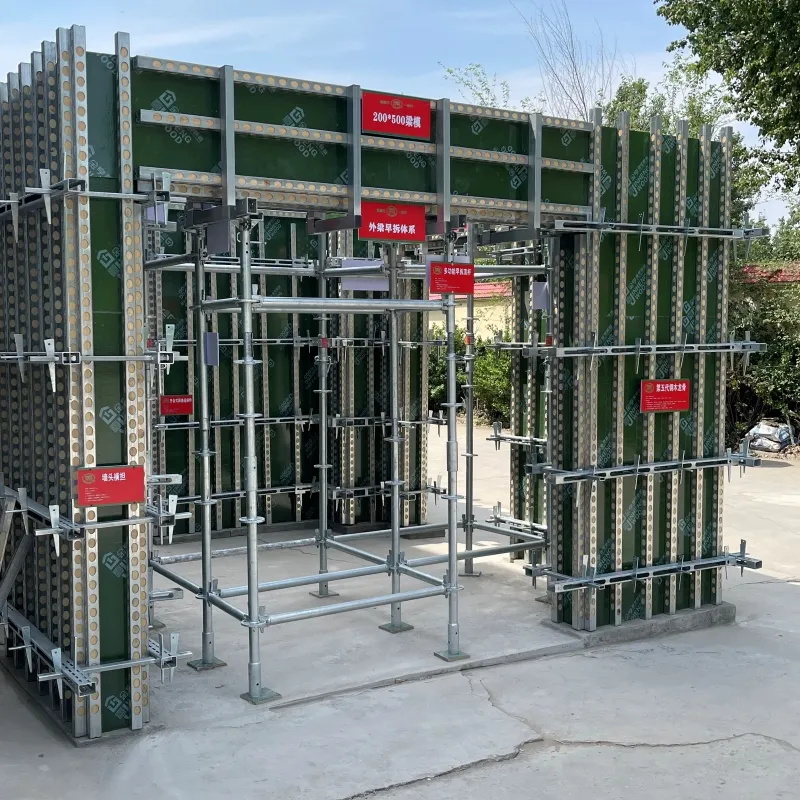
In modern construction, these slabs come in several variations: cast-in-place, precast, hollow-core, or post-tensioned. Each serves specific purposes. For instance, a post-tensioned slab can span longer distances without thickening, lending itself well to large commercial spaces.
Its role connects directly to humanitarian efforts too — think emergency housing or rapid-deployment schools where durable, quick-floor systems matter.
Mini takeaway: Far from just a concrete layer, the slab for 2nd floor is a nuanced product tailored to building type, location, and usage.
Key Aspects to Consider in Slab Design and Selection
1. Durability and Load Capacity
The slab must withstand not just static loads like furniture and walls but dynamic ones like foot traffic or machinery vibrations. Durability against weathering or seismic forces is also essential — especially in areas prone to earthquakes.
2. Material Choice and Sustainability
While concrete remains king, innovations like high-performance concrete, concrete with recycled aggregates, or hybrid slabs incorporating steel and composite materials can drastically reduce the environmental footprint.
3. Cost and Installation Time
Sometimes speed outweighs longevity — in post-disaster scenarios, quick-to-install slabs like precast panels reduce downtime. However, cast-in-place slabs offer flexibility but at higher labor costs.
4. Thermal and Acoustic Performance
Second-floor slabs double as noise barriers and heat retainers. Especially in residential designs, incorporating insulation or hollow-core construction can enhance comfort.
5. Scalability and Future Proofing
Designing slabs that allow future modifications — like adding heavier equipment or extending the building — adds long-term value. Modular slab designs are gaining momentum here.
| Specification | Standard Value | Notes |
|---|---|---|
| Thickness | 120-200 mm | Depends on span and load |
| Concrete Grade | C25/30 | Typical compressive strength |
| Reinforcement | T12 @ 200 mm | Steel bars, mesh or post-tensioned cables |
| Span | 3–6 m | Depending on beams/supports |
| Thermal insulation | Optional | Added in residential or energy-efficient buildings |
How Slabs for 2nd Floors are Shaping Global Construction
From skyscrapers in Shanghai to new residential developments in Nairobi, the slab for the 2nd floor is often the first real test of a building’s engineering. Many industries benefit from advances here:
- Urban Housing: Fast-growing cities rely on sturdy slabs for quick vertical expansion.
- Disaster Relief: Rapid-deployment housing uses modular slabs to speed shelter rebuilding.
- Industrial Plants: Heavy equipment needs reliable slabs with high load capacity.
- Green Building: Eco-conscious projects specify slabs with recycled materials and better insulation.
I encountered a case where a remote mining operation utilized lightweight precast slabs for their 2nd floors — saving weeks of installation time and hundreds on transportation costs.
slab for 2nd floor technology directly supports these advancements by adapting to region-specific requirements while pushing forward structural innovation.
Mini takeaway: The slab for the 2nd floor is a universal building block vital across diverse global contexts.
The Tangible and Emotional Benefits of a Quality Second Floor Slab
What does a well-designed slab bring beyond maths and specs? Here are some practical upsides — and a few softer ones:
- Cost Efficiency: Durability reduces maintenance and rebuild costs.
- Safety: Robust slabs protect occupants in earthquakes or heavy loads.
- Sustainability: Using recycled content lowers carbon emissions.
- Comfort: Good insulation means warmer homes and quieter workplaces.
- Trust & Innovation: A modern slab inspires confidence — it signals quality and forward thinking.
Clearly, investing smartly in the slab for the 2nd floor is more than just “concrete spending.” It’s about building a legacy of reliable, comfortable spaces.
What’s Next? Trends Affecting Slab Technology
We’re seeing some exciting shifts on the horizon for 2nd-floor slabs.
Green Materials and Carbon Capture Concrete
Cement production is a major CO2 contributor. New blends absorb CO2 during curing — a game changer for slabs.
Digital Twins and BIM Integration
Using BIM models helps predict slab performance and catch issues early. Digital twin tech can even simulate long-term wear.
Automation and Prefabrication
Modular slabs produced in factories improve quality and installation speed — crucial in urban congestion zones.
Smart Slabs
Embedded sensors can monitor structural health in real-time, sounding alarms before problems escalate.
Mini takeaway: The humble slab is morphing into a digital, sustainable, and smart component of future architecture.
Challenges and How Industry Innovators Are Addressing Them
Despite progress, some persistent hurdles remain:
- Material Supply Chains: Cement and steel price-volatility can delay projects.
- Skilled Labor Shortages: Complex slabs require trained crews, sometimes lacking in growing regions.
- Environmental Impact: Traditional slabs generate significant embodied carbon.
- Retrofit and Upgrade Constraints: Older buildings might not support modern slab weights or designs.
Experts suggest embracing local materials, ramping up prefab tech, and investing in upskilling workers as key solutions. Plus, governments encouraging green building codes are nudging the market toward better slab designs.
Frequently Asked Questions About Slab for 2nd Floor
- What types of slabs are best for quick construction of 2nd floors?
- Precast concrete slabs and hollow-core slabs are often preferred for speedy assembly, as they arrive ready to place and require less on-site curing time.
- How long does a typical 2nd-floor slab last?
- With proper design and maintenance, concrete slabs can last 50+ years, some even over a century, especially with protective coatings and reinforcement.
- Are eco-friendly slabs cost-effective?
- While initial costs may be slightly higher, slabs using recycled materials or green concrete lower lifecycle costs via energy savings and reduced environmental penalties.
- Can slabs for 2nd floors be customized for heavy machinery?
- Absolutely. Structural engineers can reinforce slabs with additional steel or thicker sections based on calculated load requirements.
- How can international projects source quality slab components?
- Working with certified global vendors or local precast factories that meet ISO standards ensures quality. Logistics planning helps smooth delivery, especially for modular systems.
Conclusion: Why Investing in Your 2nd Floor Slab Pays Off
The slab for the 2nd floor is much more than a mere construction step — it’s a cornerstone of building durability, safety, and sustainability. Choosing the right slab type and integrating innovative materials can save money, reduce environmental impact, and improve occupant comfort. Whether you’re developing urban housing, industrial complexes, or emergency shelters, this component is non-negotiable.
Curious to dive deeper into the best slabs for your project? Visit our website: https://www.formworkreinforced.com and explore resources tailored for today’s builders and engineers.
| Vendor | Slab Types Offered | Delivery Time | Approx. Cost per Sq M | Sustainability Features |
|---|---|---|---|---|
| ConcreteTech Ltd. | Cast-in-place, Post-tensioned | 4-6 weeks | $80 - $120 | Recycled aggregates, low-CO2 mixes |
| Precast Solutions Inc. | Precast Hollow-core, Composite | 2-3 weeks | $90 - $130 | Green certifications, energy-efficient |
| EcoSlab Systems | Hybrid, Carbon capture concrete slabs | 4 weeks | $100 - $140 | Low carbon footprint, recyclable |
References
-
Comprehensive Guide to Scaffolding Rods for Safe Construction PracticesNewsFeb.24,2026
-
Comprehensive Guide to Different Types of Scaffolding for Construction ProjectsNewsFeb.11,2026
-
The Crucial Role and Safe Use of Scaffolding in Modern Construction ProjectsNewsJan.30,2026
-
Maximize Productivity and Safety with a Versatile 7m Scaffold TowerNewsJan.27,2026
-
6m Scaffold Tower: A Comprehensive Guide for B2B BuyersNewsJan.26,2026
-
6ft Scaffold: Durability and Safety in ConstructionNewsJan.25,2026
-
6 Scaffolding: A Modern Construction SolutionNewsJan.24,2026