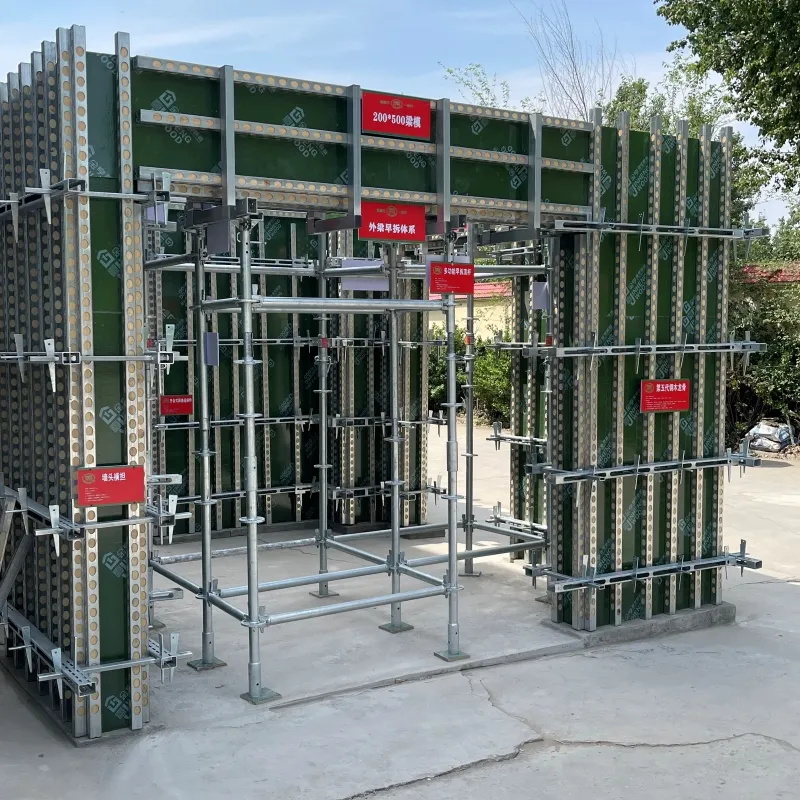

Comprehensive Guide to Roof Deck Floor Systems: Benefits, Applications & Future Trends
Understanding Roof Deck Floor: Why It Matters in Today’s Built Environment
If you've ever stepped onto a rooftop terrace, parking garage roof, or even a large industrial building's upper floor, you’ve probably stood on what’s commonly called a roof deck floor. At its core, this element is the horizontal surface that supports roofing material, foot traffic, and sometimes even heavy loads like HVAC equipment or solar panels. But beyond simply holding weight, the roof deck floor plays a pivotal role in how buildings perform — influencing durability, energy efficiency, safety, and even sustainability on a global scale.
Considering how urbanization is booming and climate-related challenges stress infrastructure worldwide, understanding roof deck floors is more than just a construction topic. It’s a key to smarter, resilient, and greener cities everywhere.
The Global Context: Why Roof Deck Floors Are Topically Important
Worldwide, the urban population is expected to increase by 2.5 billion by 2050, according to the United Nations (UN). This rapid growth is fueling demand for taller buildings and innovative floor solutions that balance cost, strength, and environmental impact. Roof deck floors are crucial, not only in high rises but also in warehouses, factories, and even temporary housing for humanitarian crises.
However, challenges such as increasing weather extremes, seismic risks, and the carbon footprint of traditional construction methods push the sector toward better materials and design innovations. For instance, the ISO 21930 standard emphasizes sustainability in building constructions, including floor systems — a clear sign codes are adapting to new realities.
What Exactly Is a Roof Deck Floor?
Simply put, a roof deck floor refers to the flat (or sometimes sloped) surface that forms the uppermost floor system of a structure, supporting roofing membranes and any load above. In modern construction, this can be concrete slabs, metal decks, wooden panels, or composite systems designed to offer durability and flexibility.
It’s also a critical component connecting architectural aesthetics with engineering. For humanitarian efforts, say quick-deploy shelters, modular roof deck floor systems allow easier transport and assembly—fundamentally supporting life-saving operations.
Key Factors to Consider in Roof Deck Floor Systems
1. Durability and Load-Bearing Capacity
The roof deck floor must withstand both live loads (people, equipment) and dead loads (weight of the floor itself and roofing materials). For example, in commercial warehouses, they often support heavy machinery. Materials like reinforced concrete or corrugated steel decks with concrete topping blends play a starring role here.
2. Thermal and Moisture Performance
Since roof decks face direct weather exposure, they need to minimize heat transfer and prevent moisture ingress. Insulation layers and vapor barriers integrated into the deck can improve energy efficiency dramatically — especially in climates with extreme temperatures.
3. Cost Efficiency and Construction Speed
Time is money, especially on large projects. Prefabricated decks or modular panels often reduce onsite labor and shorten schedules. That’s why many engineers prefer metal decks with spray-applied concrete to save weeks compared to traditional pours.
4. Environmental Impact and Sustainability
New materials like recycled steel or low-carbon concrete mixes contribute to greener projects. Some roof deck floors integrate photovoltaic cells or green roof systems for better urban microclimates.
5. Fire Resistance and Safety
Strict building codes demand fire-rated decks that help slow fire spread while maintaining structural integrity. Add smoke ventilation systems atop these decks, and you’ve got a safer environment for occupants below.
Real World Applications: Roof Deck Floors in Action
Take post-disaster relief scenarios, for example. Quick-deploy roof deck floors using lightweight insulated panels can create stable shelter roofs within hours — essential for emergency housing. Meanwhile, sprawling industrial complexes use robust steel composite decks to support heavy machinery and roofing systems that must last decades under harsh conditions.
In urban centers like Singapore and New York, roof decks increasingly serve as green spaces, supporting vegetation and community areas — a smart blend of structure and social innovation.
Mini Takeaway:
In various global contexts—from disaster relief to high-rise urban housing—the roof deck floor adapts, offering strength, speed, and sustainability tailored to different needs.
Advantages & Long-Term Value of Quality Roof Deck Floors
- Cost savings: Less maintenance and fewer repairs over time.
- Environmental benefits: Using recycled or low-impact materials.
- Enhanced safety: Fire resistance and structural reliability improve occupant confidence.
- Energy efficiency: Lower heating and cooling costs with better insulation.
It’s not just the numbers—building owners and occupants often feel a sense of pride and security with roof decks that feel solid yet innovative. There's a little extra peace of mind knowing that the roof above is engineered for safety and sustainability.
Roof Deck Floor Specification Table
| Specification | Typical Value/Range | Notes |
|---|---|---|
| Material | Steel deck with reinforced concrete; Composite metal deck; | Composite systems for load & speed |
| Thickness | 50mm to 150mm | Depends on load requirements |
| Load Capacity (live load) | 2.5–5 kN/m² | Typical for commercial use |
| Fire Rating | Up to 2 hours | Required by many building codes |
| Thermal Resistance (R-value) | R-3 to R-10 | Depending on insulation type |
How Different Vendors Stack Up
| Vendor | Material Options | Installation Support | Sustainability Initiatives | Typical Lead Time |
|---|---|---|---|---|
| Alpha Deck Systems | Steel, Composite Panels | Onsite training and custom design | Recycled materials use, LEED certification support | 2-3 weeks |
| BuildPro Floors | Concrete slabs, Metal Decks | Design consultation only | Carbon offset program, green concrete | 4 weeks |
| EnviroDeck | Lightweight composite, recycled plastic | Full project management support | Strong focus on zero-waste manufacturing | 3 weeks |
Emerging Trends and Future Outlook
It feels like roof deck floors are quietly evolving in parallel with green construction trends. For instance, integration of photovoltaic glass panels directly into decks promises to turn entire rooftops into solar collectors — something more architects are dreaming about as energy costs climb.
Automation in prefab production, digital twin modeling for precise load simulations, and bio-based materials like hempcrete or mycelium composites could reshape the sector in the coming decade. So while a roof deck floor might seem like a mundane slab, it actually sits at a fascinating crossroads of technology and sustainability.
Common Challenges and Smart Solutions
Climate resilience remains a big challenge. Extreme weather means water pooling and freeze-thaw cycles can degrade decks fast. The solution? Better drainage integration and improved waterproof membranes.
Cost pressures often tempt builders to cut corners, potentially risking safety or longevity. Here, modular, factory-controlled manufacturing processes can help reduce onsite errors and provide consistent quality.
FAQ: Frequently Asked Questions About Roof Deck Floors
- How long can a typical roof deck floor last?
- With proper materials and maintenance, modern roof deck floors can last anywhere from 30 to 50 years or more, depending on environmental exposure and usage. Regular inspections and repairs are crucial to extend service life.
- Are steel roof deck floors better than concrete?
- Both have advantages. Steel decks are lighter and allow faster installation, ideal for multi-story buildings. Concrete tends to offer better fire resistance and sound insulation. Often, composite solutions blend the best of both.
- Can roof deck floors support green roofs?
- Yes, but they must be designed to handle additional weight from soil, plants, and water retention. Waterproofing and root barriers are also necessary to prevent damage and leaks.
- How do roof deck floors contribute to building energy efficiency?
- By incorporating insulation layers and reflective coatings, roof decks can help reduce heat gain or loss, lowering heating and cooling loads inside the building.
- Are prefabricated roof deck floors suitable for disaster relief shelters?
- Absolutely. Prefab panels allow rapid deployment in post-disaster sites, reducing construction time often critical for humanitarian efforts.
In Closing: Why Investing in Quality Roof Deck Floors Pays Off
From enhancing building safety to pushing sustainability boundaries, the humble roof deck floor deserves more attention than it often gets. It anchors rooftops and entire structures, yet it's also an opportunity for innovation. The right design and material choices ripple through cost savings, occupant comfort, and even environmental impact — all the things that matter today.
If you’re curious to explore reliable, cutting-edge roof deck floor solutions, make sure to visit our website: https://www.formworkreinforced.com — it’s a great starting point to discover products and expert guidance tailored to your project needs.
References and Further Reading
-
Comprehensive Guide to Scaffolding Rods for Safe Construction PracticesNewsFeb.24,2026
-
Comprehensive Guide to Different Types of Scaffolding for Construction ProjectsNewsFeb.11,2026
-
The Crucial Role and Safe Use of Scaffolding in Modern Construction ProjectsNewsJan.30,2026
-
Maximize Productivity and Safety with a Versatile 7m Scaffold TowerNewsJan.27,2026
-
6m Scaffold Tower: A Comprehensive Guide for B2B BuyersNewsJan.26,2026
-
6ft Scaffold: Durability and Safety in ConstructionNewsJan.25,2026
-
6 Scaffolding: A Modern Construction SolutionNewsJan.24,2026