
Comprehensive Guide to Home Scaffolding: Safety, Efficiency & Innovation
Understanding Home Scaffolding: A Modern Necessity for Construction and Beyond
Home scaffolding—it might sound like just one part of a bigger construction puzzle, but honestly, it plays a much larger role in shaping how we build, repair, and maintain structures worldwide. Whether in sprawling urban centers or remote rural locations, scaffolding systems for homes are vital to ensuring safety, efficiency, and long-term durability. Globally, as urban populations continue to grow and infrastructure ages, the demand for reliable home scaffolding solutions has shot up, making it an essential focus for construction professionals and homeowners alike.
Introduction: Global Context and Why Home Scaffolding Matters
Construction growth is staggering—in fact, according to the United Nations, by 2050, nearly 68% of the world population will live in urban areas, pushing the building industry to new levels of productivity and innovation. Roughly 13% of global work-related injuries occur in construction, underscoring the urgent need for safer, more effective scaffolding, especially for residential projects where many uncertified laborers work without adequate equipment.
Home scaffolding serves as a backbone to this productivity challenge—without it, repairs could take longer, risk increases, and costs skyrocket. And frankly, as we push for sustainability and better building standards worldwide, good scaffolding systems help deliver consistent quality — from seismic retrofits in Japan to affordable housing expansions in Brazil.
What Is Home Scaffolding?
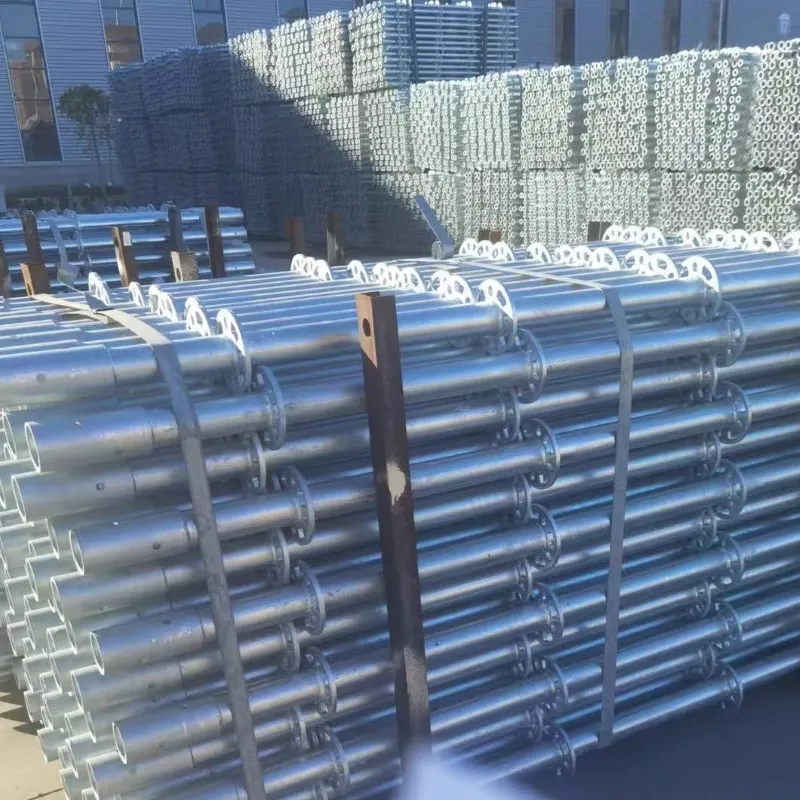
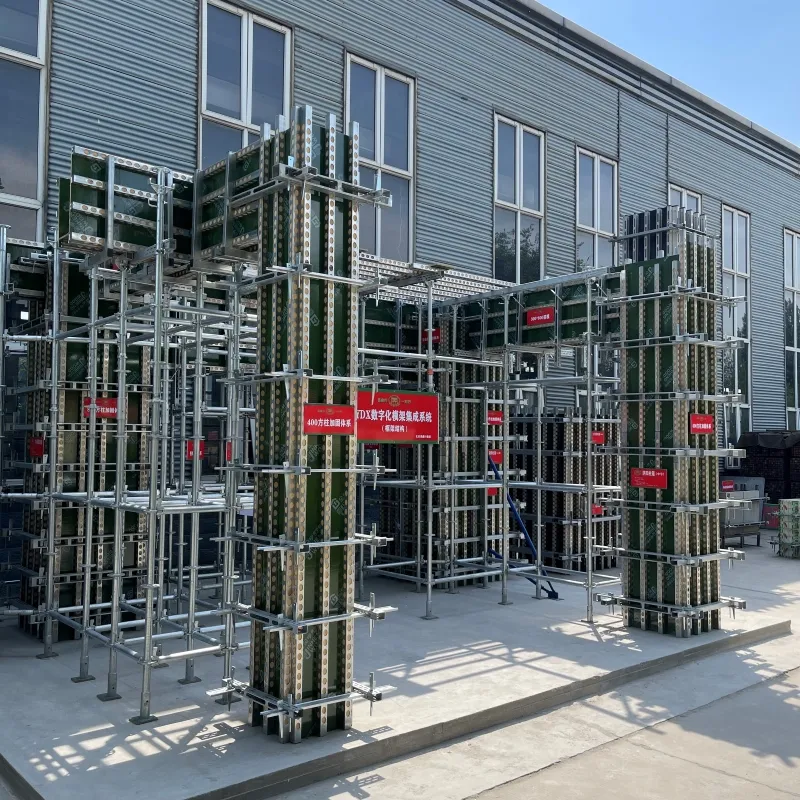
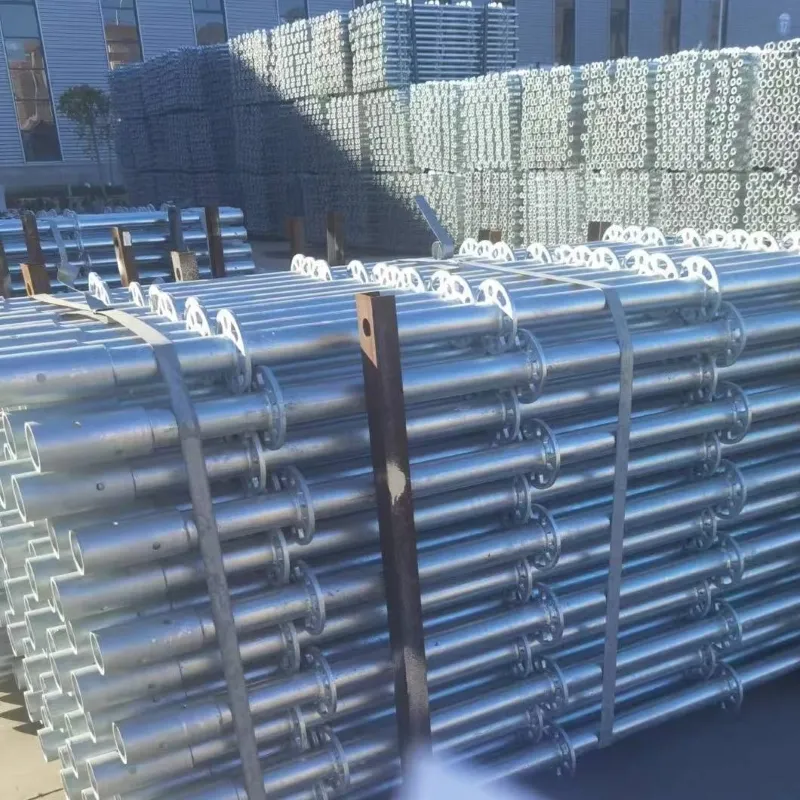
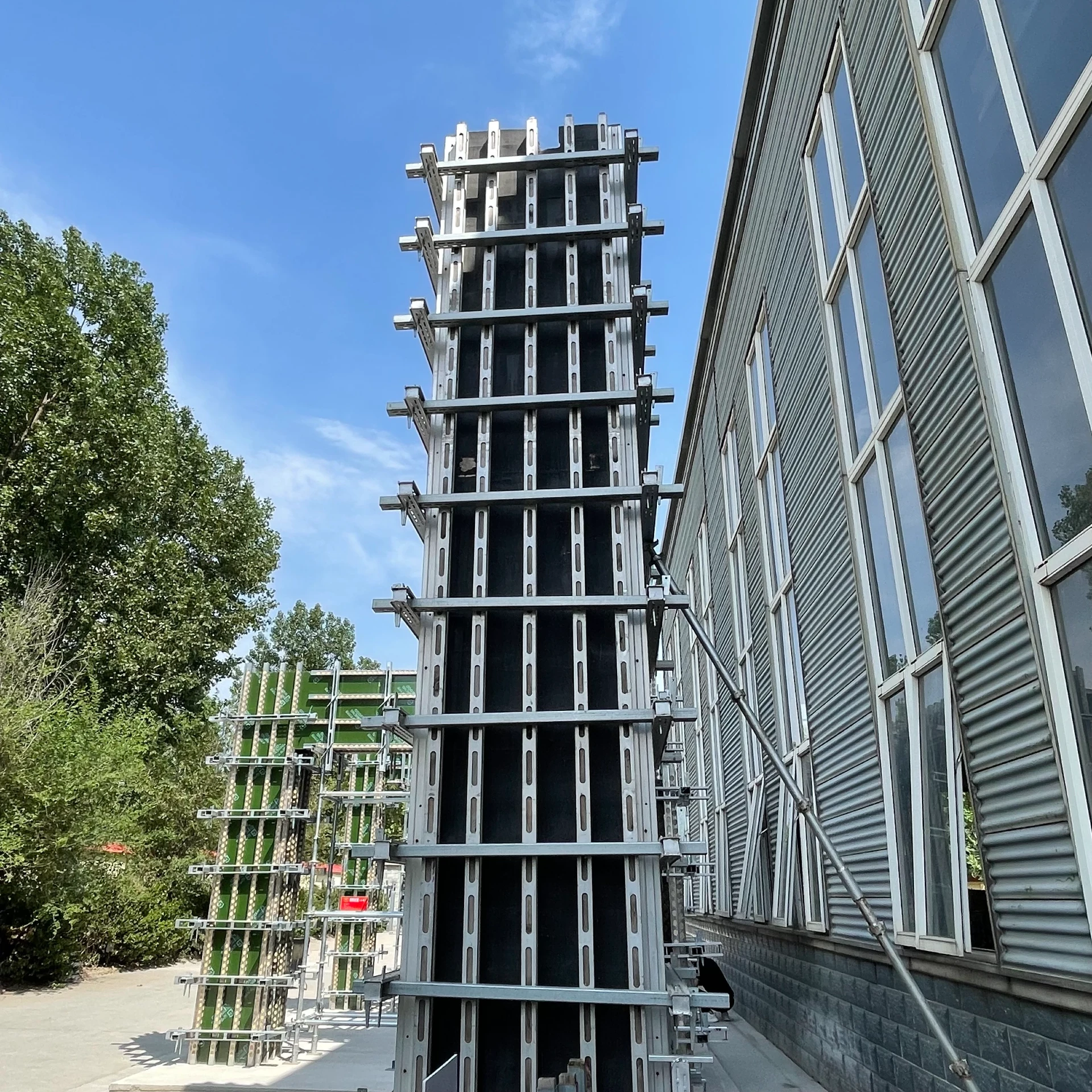
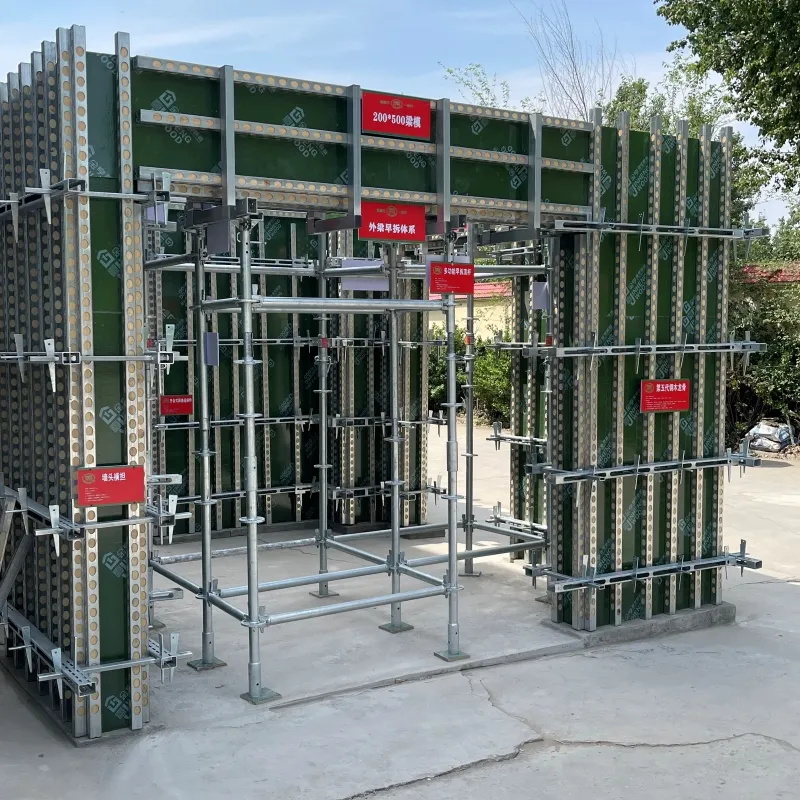
Simply put, home scaffolding is a temporary or sometimes semi-permanent structure set up around or inside a residential building to provide safe access and support during construction, renovation, or repair. It includes platforms, rails, and supports made from metal, wood, or composite materials designed to hold workers, tools, and sometimes even materials.
The connection to modern industry isn’t just in construction but also in emergency response—think post-natural disasters where rapid assembly of scaffolding can mean quicker rebuilding of homes and infrastructure. It's really a crucial part of not only construction efficiency, but often, humanitarian resilience, too.
Key Factors of Home Scaffolding
1. Durability
Sturdy materials like galvanized steel or aluminum alloys are common because they withstand weather conditions and heavy loads — not just for a weekend but sometimes months. Durability here isn’t just about longevity, but about consistent safety.
2. Scalability
Different projects need different shapes and sizes—modular scaffolding can be quickly adapted for small residential homes or larger multifamily buildings. This flexibility saves time and lowers costs.
3. Cost Efficiency
Budget constraints are always there, right? But modern home scaffolding systems often come with rental options or kits that reduce upfront costs without sacrificing safety.
4. Ease of Assembly & Disassembly
Fast deployment and less specialized labor needed means projects progress faster. Many systems include tool-free connectors and lightweight components that are surprisingly intuitive.
5. Safety Features
Guardrails, non-slip platforms, and secure anchor points aren’t optional—they’re the reasons scaffolding prevents accidents. New regulations (like ISO 45001) push for higher safety standards worldwide.
Product Specifications of Popular Home Scaffolding Systems
| Feature | Steel Frame System | Aluminum Modular System | Wooden Frame Scaffolding |
|---|---|---|---|
| Material | Galvanized Steel | Aluminum Alloy | Treated Wood |
| Max Load Capacity | 250 kg/m² | 180 kg/m² | 150 kg/m² |
| Average Assembly Time | 3 hours (2 workers) | 2 hours (2 workers) | 5 hours (3 workers) |
| Rental Availability | Yes | Yes | Limited |
| Typical Use Case | Residential & commercial | Residential & light commercial | Small home repairs |
Global Use Cases and Applications
From rebuilding homes in earthquake-hit regions of Nepal to urban renovations in European cities, home scaffolding has a broad footprint. In places like the Middle East, prefabricated scaffolding expedites large-scale housing projects, while in North America, much of the work revolves around retrofit and maintenance jobs on aging infrastructure.
Oddly enough, NGOs working in post-hurricane relief in the Caribbean rely heavily on quick scaffold setups to assess damage and start repairs, especially where traditional construction materials are scarce.
Vendor Comparison of Home Scaffolding Providers
| Vendor | Product Range | Rental Services | Geographic Reach | Green Certifications |
|---|---|---|---|---|
| BuildSafe Co. | Steel & Aluminum | Yes | Global | ISO 14001 |
| HomeScaf Ltd. | Aluminum Modular Systems | Yes | Europe & Asia | BREEAM Compliant |
| EcoFrame Solutions | Wood & Composite | Limited | North America | LEED Certified |
Advantages and Long-Term Value
Home scaffolding doesn’t just tick boxes for safety and compliance — it also impacts budgets and job quality over time. Using high-quality scaffolding can reduce project delays, lower injury rates, and promote better craftsmanship by providing stable work platforms.
On a more human level, scaffolding helps maintain worker dignity and safety — you know, the kind of unseen value that helps keep teams motivated and clients happy. The environmental angle, with newer eco-friendly materials and recycling practices, also means these systems contribute to greener building practices.
Future Trends & Innovations in Home Scaffolding
Digital transformation is creeping in — sensors embedded in scaffolds can now monitor load and stability in real-time, dramatically reducing risks. Automation, too, is beginning to play a role, with drones inspecting scaffold integrity and modular robotic systems handling assembly in hazardous zones.
Sustainability is front and center, with research into biodegradable composites and solar-powered scaffold lighting. Frankly, these innovations not only improve safety but also sync well with global environmental goals outlined by ISO and UN development agendas.
Challenges and Solutions in Current Practice
There’s no sugarcoating it: scaffolding can be complicated, expensive, and sometimes slow to deploy—especially in remote areas or where skilled labor is scarce. But new rental models and modular kits help cut those barriers. Many engineers advocate for better training and standardization as a path forward, along with embracing digital tools.
FAQ: Frequently Asked Questions About Home Scaffolding
- What makes home scaffolding safer than DIY solutions?
Professional scaffolding is engineered and tested for load-bearing and stability, complying with strict international safety standards — so it significantly reduces falls and accidents compared to makeshift platforms. - How long can modular scaffolding last on a residential project?
Properly maintained modular scaffolding made of steel or aluminum can easily last for months or even years, as long as it's inspected regularly and protected from extreme weather. - Is renting scaffolding cost-effective for small home renovations?
Absolutely. Renting can save upfront expenses and eliminate storage hassles, especially for brief tasks—many suppliers offer flexible rental periods and delivery options. - Can scaffolding be customized for irregular architectural designs?
Yes, modular scaffolding components are designed for adaptability, allowing assemblies that can fit unique or difficult home shapes and heights with ease. - How do NGOs coordinate international shipments of scaffolding for disaster relief?
NGOs typically partner with specialized logistics companies and rely on customs facilitation agreements to quickly bring scaffolding materials to affected areas, often pre-packed for rapid deployment.
Conclusion
Home scaffolding is more than just metal and planks—it’s a foundation for safer construction, affordable home repair, and even humanitarian aid. Understanding its nuances, benefits, and evolving technology can inspire smarter building practices, whether you’re a contractor, homeowner, or aid worker.
For more in-depth resources on home scaffolding systems and solutions, visit our home scaffolding portal. Stay safe, build smart, and think ahead.
Quick takeaway: Reliable home scaffolding systems link safety, innovation, and sustainability, supporting the backbone of global construction growth.
- United Nations on Urbanization and Sustainability
- Wikipedia: Scaffolding Overview
- ISO 45001 Occupational Health and Safety
-
Comprehensive Guide to Scaffolding Rods for Safe Construction PracticesNewsFeb.24,2026
-
Comprehensive Guide to Different Types of Scaffolding for Construction ProjectsNewsFeb.11,2026
-
The Crucial Role and Safe Use of Scaffolding in Modern Construction ProjectsNewsJan.30,2026
-
Maximize Productivity and Safety with a Versatile 7m Scaffold TowerNewsJan.27,2026
-
6m Scaffold Tower: A Comprehensive Guide for B2B BuyersNewsJan.26,2026
-
6ft Scaffold: Durability and Safety in ConstructionNewsJan.25,2026
-
6 Scaffolding: A Modern Construction SolutionNewsJan.24,2026