
Comprehensive Guide to Gantry Scaffolding: Uses, Benefits & Future Trends
Understanding Gantry Scaffolding: A Key to Safer, More Efficient Construction
Whether you're strolling past a huge bridge project or spotting busy crews on a factory site, gantry scaffolding quietly supports a broad range of crucial industries worldwide. It’s not just a fancy term — it’s a practical, safety-enhancing structure that enables engineers and workers to build, maintain, and innovate with confidence. In fact, understanding gantry scaffolding is vital for anyone working in construction, infrastructure, or industrial maintenance, especially as global projects grow more complex and demanding.
Globally, infrastructure investment is booming—with the World Bank estimating more than $3.4 trillion of annual spending in construction worldwide by 2030. With such scale, the demand for reliable, adaptable work platforms like gantry scaffolds has skyrocketed. But why exactly is this system so essential? It addresses a major challenge: providing stable elevated support over large clear spans or obstacles, which is often tricky or dangerous with traditional scaffolds.
What Is Gantry Scaffolding?
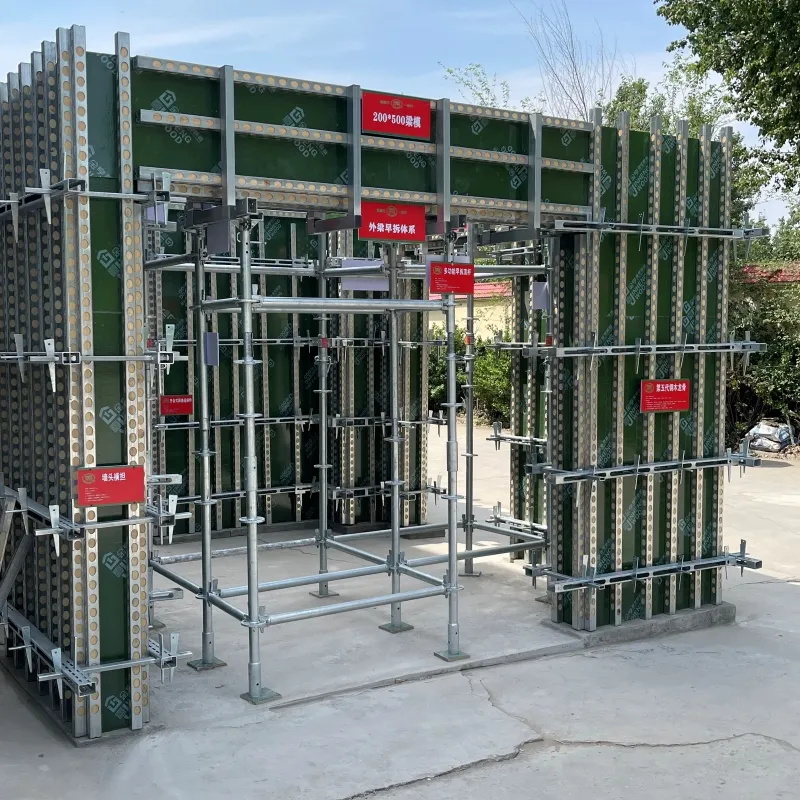
At its simplest, gantry scaffolding is a self-supporting framework that spans horizontally, creating a bridge-like platform elevated above the ground or over areas that can’t be blocked. Imagine a sturdy overhead bridge made from steel or aluminum tubes, fitted with safety rails and planks, which lets workers or machinery move freely beneath. This setup is common in construction sites, industrial plants, and events where normal scaffolding won’t fit.
Its connection to modern industry is critical — industries such as oil & gas, shipbuilding, and transport infrastructure often depend on gantry scaffolds for safe access in tight or sensitive spaces. Humanitarians also rely on these structures in disaster relief, quickly erecting temporary support systems for repairs or aid distribution.
Core Components & What Makes Gantry Scaffolding Work
1. Durability and Material Strength
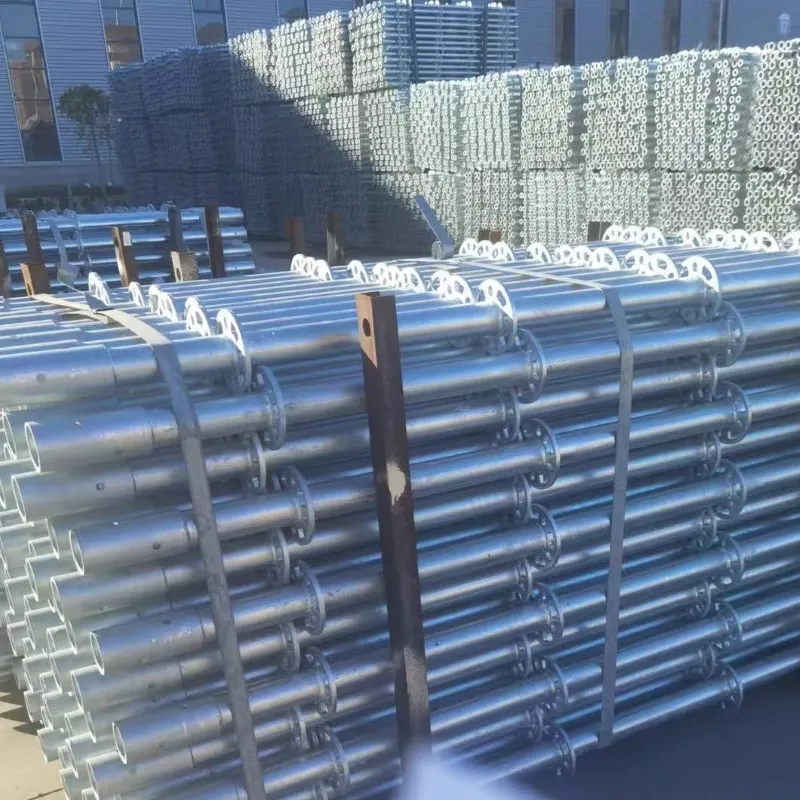
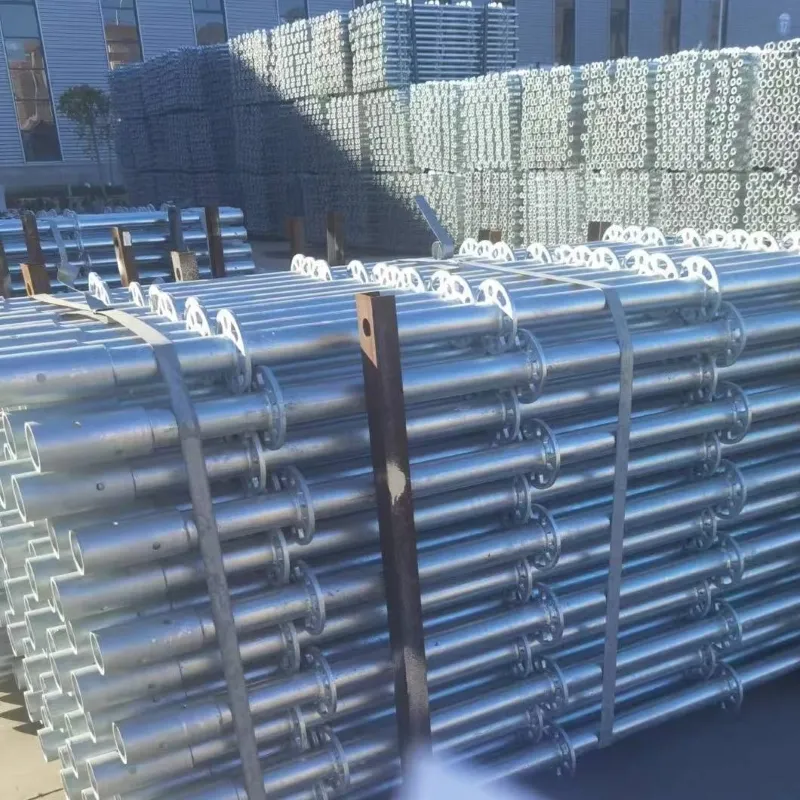
Typically made from heavy-duty steel or lightweight aluminum alloys, these scaffolds withstand challenging weather and load conditions. The choice of material balances portability with the ability to support heavy loads safely.
2. Modular Design and Scalability
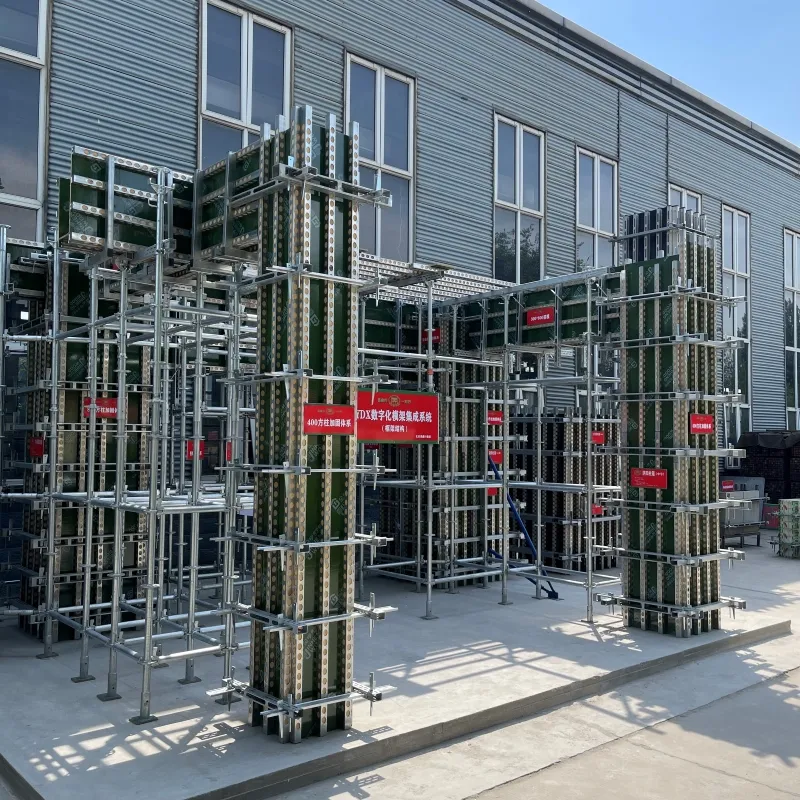
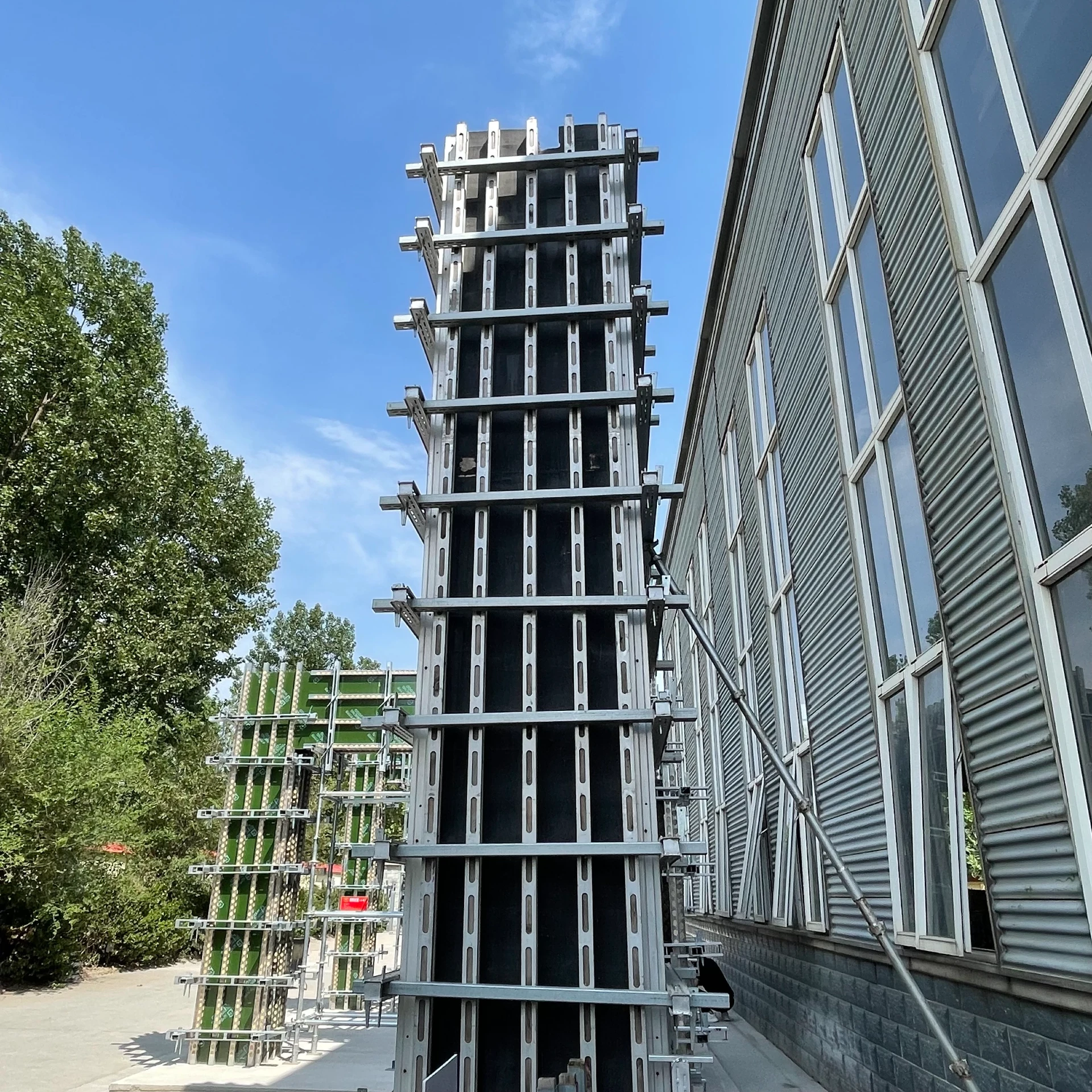
Gantry scaffolding modules can be combined, adjusted, and configured in countless ways to suit project demands—from small-scale roofing jobs to spanning entire railway tracks.
3. Safety Features
Handrails, toeboards, and locking mechanisms ensure worker safety. The scaffolds often incorporate fall arrest systems and meet strict ISO safety standards, protecting lives during hazardous operations.
4. Cost Efficiency
Because of their reusability and ease of assembly, gantry scaffolds save time and labor costs drastically over temporary wooden or custom-built platforms, an important factor when budgets are tight.
5. Adaptability to Environment
Whether in remote cold regions or hot tropical zones, gantry scaffolds can be customized with weather-resistant coatings or insulation, ensuring all-season usability globally.
Gantry Scaffolding in the Real World
In practice, gantry scaffolding has proven invaluable across various sectors:
- Infrastructure Projects: Building and maintaining bridges where traffic flow cannot be interrupted, like the San Francisco Bay Bridge retrofit.
- Industrial Maintenance: Refineries and power plants use gantry scaffolding to access pipelines and equipment without shutting down operations.
- Disaster Relief: Temporary gantries help restore utilities and provide emergency support after earthquakes or floods.
- Events & Exhibitions: Creating overhead platforms for lighting and rigging at festivals or sports arenas.
Regions such as Southeast Asia and the Middle East—with booming urban development—and disaster-prone areas often see the most pronounced benefits.
Gantry Scaffolding Product Specifications
| Feature | Typical Range | Notes |
|---|---|---|
| Material | Steel / Aluminum Alloy | Aluminum preferred for weight-sensitive projects |
| Load Capacity | Up to 5 tons per gantry | Depends on design & span |
| Span Width | 3–30 meters or more | Larger spans possible with reinforced structures |
| Height | Adjustable 2–10 meters | Custom heights for specific site needs |
| Assembly Time | 1–3 days for typical setups | Depends on crew size and complexity |
Comparing Leading Gantry Scaffold Vendors
| Vendor | Material | Customization | Price Range | Lead Time |
|---|---|---|---|---|
| ScaffoldPro Inc. | Steel | High | $$$ | 4 weeks |
| LiteFrame Solutions | Aluminum | Medium | $$ | 2 weeks |
| Global Gantries | Hybrid steel-aluminum | Very High | $$$$ | 6 weeks |
Why Gantry Scaffolding Makes Sense for Long-Term Value
Beyond just scaffolding, gantry systems symbolize reliability and safety. Investing in well-designed gantries means fewer accidents, less downtime, and better workflow—all translating to reduced operational costs. From a sustainability perspective, their reusable and modular nature avoids wasteful site-specific constructions. And frankly, workers appreciate platforms that feel steady and secure; it’s a dignity and trust matter as much as tech.
Innovations on the Horizon
Interestingly, the future of gantry scaffolding is bright and green. Manufacturers are experimenting with composite materials that reduce weight without compromising strength. Digital tech is also creeping in — sensors embedded in scaffolds to monitor stress in real time, or automated deployment systems minimizing human labor. Governments and ISO committees are pushing standards towards eco-friendlier coatings and end-of-life recyclability.
Challenges & Practical Solutions
There are some bumps in the road. Site-specific obstructions, city regulations, and transport logistics can complicate gantry scaffold deployment. Yet companies have tackled these by designing collapsible, lightweight modules that can be moved in smaller trucks and quickly assembled on-site. Training programs for crews have also improved setup speed and safety compliance.
FAQ: Your Gantry Scaffolding Questions Answered
- Q: How quickly can gantry scaffolding be erected on a typical site?
- A: Many setups can be completed within 1 to 3 days, depending on size and crew. Modular designs allow for rapid assembly—ideal for projects with tight timelines.
- Q: Is gantry scaffolding suitable for uneven terrain?
- A: Yes. Adjustable legs and base plates help stabilize gantries on uneven ground. However, thorough ground assessment is recommended to ensure safety.
- Q: Can gantry scaffolding support heavy machinery?
- A: Absolutely. Depending on design and materials, gantries can hold several tons, including cranes or heavy equipment used in industrial environments.
- Q: What maintenance does gantry scaffolding require?
- A: Regular inspection for corrosion, structural integrity, and safety features is critical—especially if used outdoors or in harsh climates.
- Q: Are there green alternatives in gantry scaffolding materials?
- A: Emerging options like recycled aluminum and powder-coated surfaces reduce environmental impact while maintaining strength and safety.
Conclusion: Why Gantry Scaffolding is a Wise Investment
Overall, gantry scaffolding blends function, safety, and flexibility in a way few other systems can—perfectly suited to the modern world's evolving construction and industrial needs. Whether it’s the rapid urbanization of megacities, essential repair work after disasters, or pioneering industrial innovations, gantry scaffolding plays a quietly heroic role. To explore more about these robust systems, see gantry scaffolding resources and vendor offerings online.
Oddly enough, it feels like gantry scaffolding isn’t talked about enough beyond the trade circles despite its huge impact. Here’s hoping that changes as awareness grows of its economic and social value.
Mini Takeaways:
- Gantry scaffolding offers versatile, safe elevated platforms ideal for complex industrial and construction needs.
- Modular design and durable materials maximize cost efficiency and adaptability.
- Innovations in materials and digital monitoring promise a sustainable, safer future in scaffolding.
Reference Highlights:
-
Comprehensive Guide to Scaffolding Rods for Safe Construction PracticesNewsFeb.24,2026
-
Comprehensive Guide to Different Types of Scaffolding for Construction ProjectsNewsFeb.11,2026
-
The Crucial Role and Safe Use of Scaffolding in Modern Construction ProjectsNewsJan.30,2026
-
Maximize Productivity and Safety with a Versatile 7m Scaffold TowerNewsJan.27,2026
-
6m Scaffold Tower: A Comprehensive Guide for B2B BuyersNewsJan.26,2026
-
6ft Scaffold: Durability and Safety in ConstructionNewsJan.25,2026
-
6 Scaffolding: A Modern Construction SolutionNewsJan.24,2026