
Circular Column Formwork: Essential Technology for Modern Construction
Understanding Circular Column Formwork: A Foundation for Modern Construction
In the world of construction and civil engineering, the circular column formwork plays a quietly vital role. It might not grab headlines like skyscrapers or bridges, but these curved molds silently shape our built environments. Standing behind the sturdy pillars that hold buildings together, circular column formwork is a specialized technique designed to mold concrete into smooth, cylindrical columns. Globally, with urban populations swelling and infrastructure demands growing, mastering this technology means safer structures, efficient projects, and cost-effective use of materials.
Why does it matter so much now? The United Nations projects that by 2050, 68% of the world’s population will live in urban areas—a dramatic surge demanding new construction approaches. Circular column formwork helps meet these challenges by allowing architects and engineers to create aesthetically pleasing, resilient round columns that resist forces better than rectangular ones, spreading stress evenly. In short, it enhances strength while saving material — a win-win as sustainability becomes non-negotiable.
Global Context: How Circular Column Formwork Meets Rising Construction Demands
Construction industries worldwide face relentless pressure—tight deadlines, rising material costs, and stricter environmental standards. According to the World Bank, urban infrastructure investment must triple just to keep pace with growing megacities. That’s where circular formwork systems offer a practical edge. The International Organization for Standardization (ISO) has also recognized formwork standards that enhance safety and adaptability worldwide. Oddly enough, many developing economies leapfrog directly to circular column technology to build resilient public housing or transport hubs, benefiting from faster assembly and reduced waste.
But challenges abound. Custom molds and formwork systems can be expensive upfront, and precise handling is essential to prevent concrete flaws. This demands skilled labor and well-designed form systems supported by technical training and quality control.
What Exactly Is Circular Column Formwork?
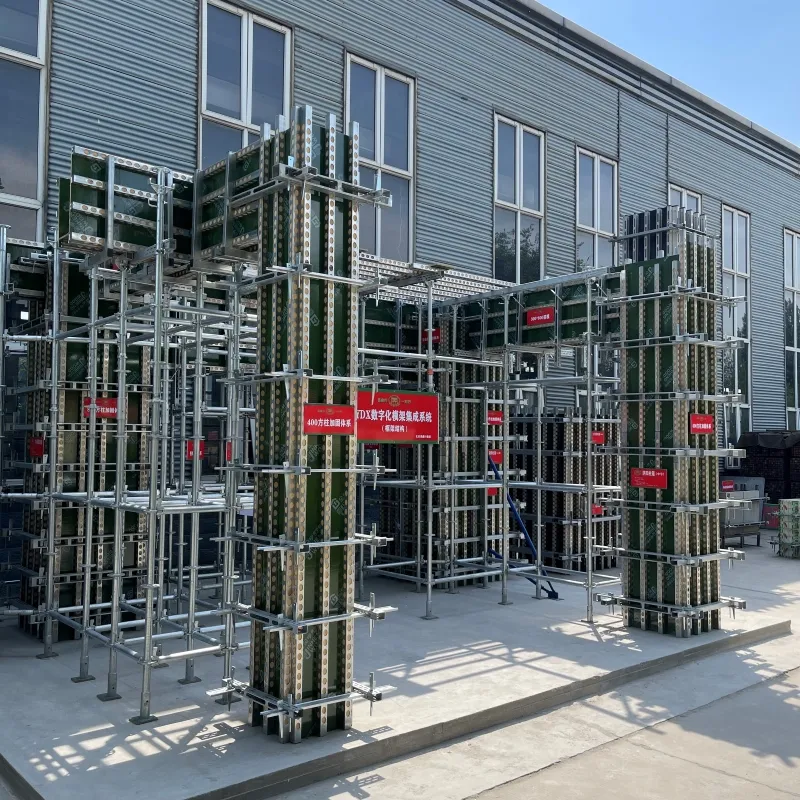
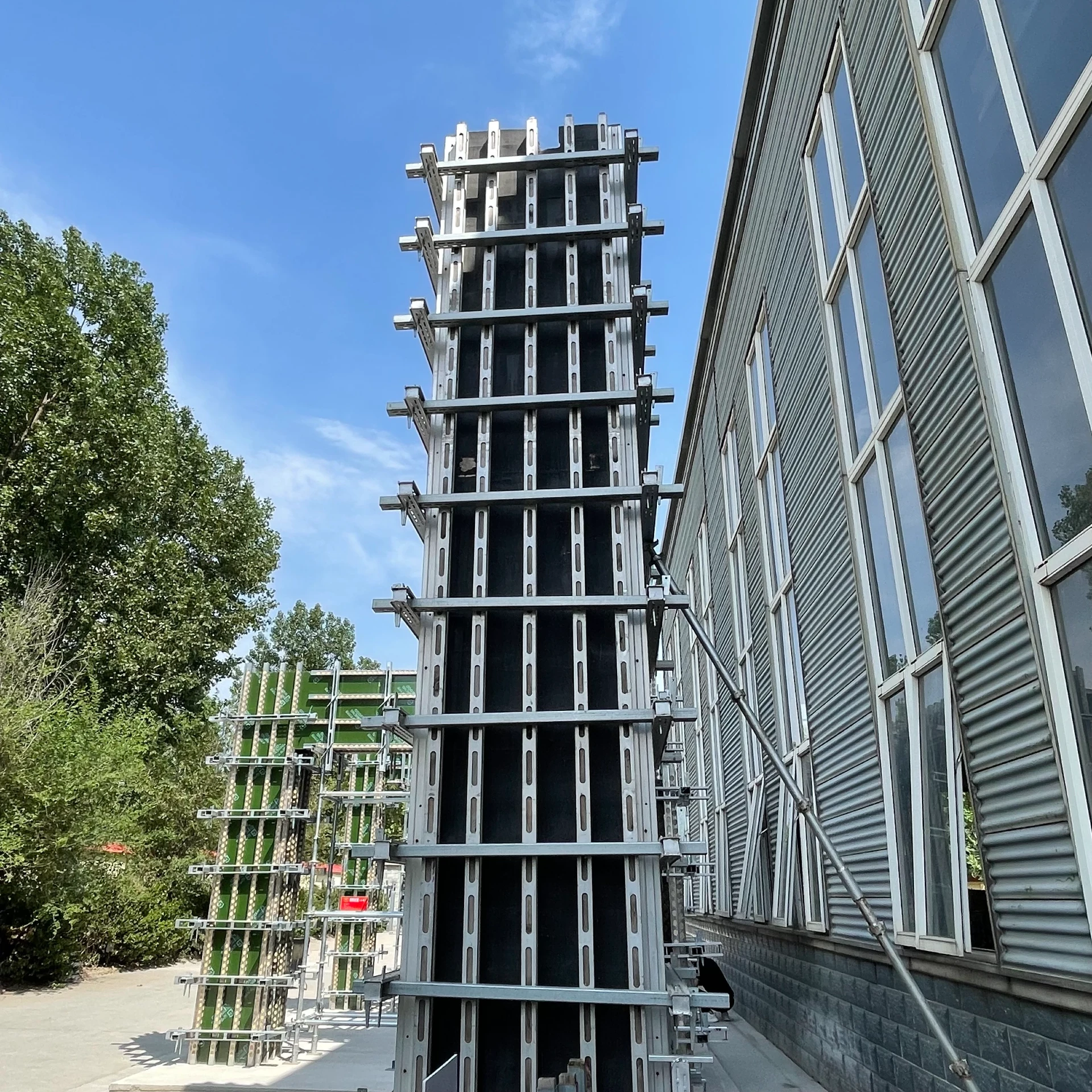
Simply put, circular column formwork is a temporary mold shaped like a hollow cylinder, designed to hold wet concrete until it sets into the shape of a round column. These columns are prominent in buildings, bridges, water tanks, and towers. Unlike traditional rectangular formworks, circular ones use curved panels or flexible materials that wrap around to form a smooth surface.
This technology intersects with humanitarian needs too—rapidly deployable circular columns support modular construction in disaster zones, providing durable structural supports for shelters and infrastructure. It’s a small but essential part of making shelters safe and long-lasting without massive on-site fabrication.
Key Factors Driving Circular Column Formwork Effectiveness
- Durability: High-grade plywood, steel, or plastic panels resist deformation and allow multiple reuses. This decreases cost over many projects.
- Scalability: Modular systems come in sizes from small columns under 300mm diameter to massive 2-meter or larger columns, adaptable for various structures.
- Cost Efficiency: Although initial investment is higher than flat formwork, reusability and material savings minimize overall costs.
- Ease of Assembly: Quick-join mechanisms and lightweight panels simplify installation and reduce labor hours.
- Quality of Finish: Smooth rounded surfaces reduce the need for complicated masonry or finishing after form removal.
- Customizability: Adjustable rings and attachments allow for tapered or flared columns, giving architects design flexibility.
Typical Specifications of a Popular Circular Column Formwork
| Specification | Details |
|---|---|
| Formwork Diameter Range | 150mm to 2000mm |
| Material | Aluminum panels with phenolic film facing |
| Maximum Reuse Cycles | Up to 100 uses (dependent on care and conditions) |
| Assembly Time | Approx. 30 minutes for 1 panel set |
| Weight per Panel | 12 kg (varies by size) |
| Special Features | Interlocking clamps, adjustable diameter rings |
Comparing Leading Circular Column Formwork Vendors
| Vendor | Material | Max Diameter (mm) | Price Range (USD) | Reusability |
|---|---|---|---|---|
| CircleForm Pro | Aluminum + Plywood | 2000 | $2500 - $3500 per set | Up to 100 uses |
| EasyCurve Systems | Steel + Plastic Film | 1500 | $1800 - $2500 | Up to 75 uses |
| FormFlex Solutions | Composite Polymers | 1200 | $1500 - $2300 | Up to 50 uses |
Global Applications & Real-World Use Cases
Circular column formwork finds itself everywhere—from soaring towers in Dubai to bridges in Japan, from public schools in Kenya to highway overpasses in Brazil. Engineers often prefer round columns in earthquake-prone areas because their shape dissipates seismic energy more uniformly, reducing dangerous fracture points. In humanitarian contexts, NGOs utilize lightweight and fast assembly circular formwork to build robust infrastructure quickly after natural disasters.
For instance, after the 2015 Nepal earthquake, relief teams employed modular circular column formwork to reconstruct community classrooms, combining safety with speed. Similarly, remote industrial sites in Canada use reusable formwork to minimize transport costs and environmental footprint, demonstrating adaptability across climates and scales.
Advantages & Long-Term Value
- Cost Savings Over Time: Durability and reusability mean less frequent purchases and reduced waste.
- Structural Integrity: Smooth circular columns resist twisting stresses better than cornered shapes, improving safety.
- Sustainability: Many formworks use recyclable materials and reduce excess concrete use through precision molding.
- Social Impact: Provides safer, lasting foundations for communities, supporting dignity in housing and public buildings.
- Innovation and Trust: Engineers trust circular formwork technology for consistent results, enabling bold architectural designs.
Emerging Trends & Innovations
The future is pretty exciting! Green materials like bio-composites are starting to replace aluminum and steel panels. Automated assembly robots and computerized diameter adjustments promise to speed up installation drastically. Digital twin technology is also helping monitor the curing process inside cylindrical molds to optimize mix ratios and reduce defects.
We’re seeing integration with circular column formwork for smart infrastructure — think sensors embedded within columns for real-time analytics on structural health. Plus, sustainability-focused policies are pushing prefabricated circular columns that minimize on-site waste and pollution.
Challenges & Forward-Looking Solutions
Current limitations mainly concern high upfront costs and the requirement for skilled labor. Especially in emerging markets, lack of technical training can introduce errors. But innovative modular kits, online training platforms, and rental formwork services are closing this gap.
Another challenge is cleaning and maintaining reusable panels. New self-cleaning coatings and quick-disassemble designs are easing post-concrete removal work, saving time.
FAQ: Frequently Asked Questions About Circular Column Formwork
- How is circular column formwork better than flat panel formwork?
- Round formwork provides uniform stress distribution and smoother finishes, which improve structural stability and aesthetics. It often reduces the need for expensive plastering or patching post-pour.
- Can circular column formwork be reused multiple times?
- Yes, high-quality formwork can typically be reused up to 100 cycles if handled and maintained properly, providing cost efficiencies across projects.
- Is circular column formwork suitable for all concrete types?
- Generally, yes, but heavier mixes or special concretes might require stronger panels or additional supports. Consulting manufacturer specs is important.
- How fast can circular columns be cast using modern formwork?
- With efficient systems, assembly can take under an hour, with concrete curing speeds varying by environmental conditions—typically 24-48 hours before form removal.
- Where can I find vendors offering circular column formwork?
- Many specialized construction suppliers and manufacturers list these products globally. Our comparison table above highlights top choices depending on your project needs.
Conclusion: Building the Future on Circular Foundations
Summing up, circular column formwork is more than just a tool — it’s a key enabler for safer, sustainable, and visually striking construction worldwide. From bustling city centers to remote disaster zones, understanding and leveraging this technology supports a resilient built environment, saving costs and protecting communities. For engineers, architects, and project planners looking to step up their game, embracing circular formwork is frankly a no-brainer.
Curious to explore more about how circular column formwork fits your project? Visit our website for detailed specs, expert advice, and customized solutions to match your construction needs.
Sometimes the simplest shapes—like a circle—form the strongest foundations, literally.
-
Comprehensive Guide to Scaffolding Rods for Safe Construction PracticesNewsFeb.24,2026
-
Comprehensive Guide to Different Types of Scaffolding for Construction ProjectsNewsFeb.11,2026
-
The Crucial Role and Safe Use of Scaffolding in Modern Construction ProjectsNewsJan.30,2026
-
Maximize Productivity and Safety with a Versatile 7m Scaffold TowerNewsJan.27,2026
-
6m Scaffold Tower: A Comprehensive Guide for B2B BuyersNewsJan.26,2026
-
6ft Scaffold: Durability and Safety in ConstructionNewsJan.25,2026
-
6 Scaffolding: A Modern Construction SolutionNewsJan.24,2026